
Living in Deltona, Florida: What to Know Before You Move

Josh Summerhays • February 19, 2026

Why Deltona Is Attracting So Many New Residents


Deltona sits in southwest Volusia County between Orlando and Daytona Beach, giving residents access to two major hubs while maintaining a quieter, residential feel. Its location near I-4 and Sanford makes it practical for commuters who want more space and lower housing costs without being far from work, shopping, or entertainment. According to the U.S. Census Bureau, Deltona has continued to grow as more people relocate from other parts of Florida and out of state in search of affordability and a slower pace of life. This steady growth has turned Deltona into one of the most desirable residential areas in Volusia County.


Many people moving to the area find that having extra space at Storaway Self Storage during the transition helps them stay organized while settling into their new home.


Cost of Living in Deltona Compared to Nearby Cities


Affordability is one of the biggest reasons people consider living in Deltona instead of larger Central Florida cities.


Cost of living data from BestPlaces shows that Deltona’s housing expenses are noticeably lower than Orlando, Lake Mary, and many surrounding communities, while everyday costs remain close to national averages.


Housing Costs


Homebuyers often discover they can purchase a larger home in Deltona for significantly less than they would pay closer to Orlando. Rental prices are also more reasonable for the amount of square footage and yard space available.


Everyday Expenses


Groceries, utilities, and transportation costs remain typical for Florida, but the savings in housing make a meaningful difference for families and first time buyers.


Commuting from Deltona


One of Deltona’s biggest advantages is how easy it is to reach surrounding cities.


  • About 35 minutes to Orlando
  • About 30 minutes to Daytona Beach
  • Easy access to I-4
  • Close to Sanford International Airport


This makes Deltona ideal for people who work in nearby cities but prefer to live in a less congested area.


Outdoor Recreation and Things to Do


Deltona is known for its lakes, parks, and access to nature.


Parks and Springs


Gemini Springs Park is a popular local destination for walking trails, picnics, and wildlife viewing. Blue Spring State Park is also a short drive away and is well known for manatee sightings during cooler months.


Water Activities


With Lake Monroe and the St. Johns River nearby, residents enjoy boating, kayaking, fishing, and waterfront views year round.


Beaches and Attractions


Living in Deltona means you are less than an hour from Atlantic beaches and not far from Central Florida attractions, making weekend trips simple.


Schools, Neighborhoods, and Community Feel


Deltona is served by Volusia County Schools and is known for its family friendly neighborhoods. Youth sports, local libraries, and community events contribute to the strong residential feel of the area.


Many residents describe Deltona as a place where neighbors know each other and daily life feels more relaxed than in larger Florida cities.


What Daily Life Feels Like in Deltona


Daily errands are easy to run, traffic is lighter than in nearby cities, and neighborhoods are quiet and established. You still have access to grocery stores, restaurants, healthcare facilities, and shopping without dealing with heavy tourist traffic. This balance of convenience and calm is what keeps many residents in Deltona long term.


Making Your Move to Deltona Easier


Relocating often means managing boxes, furniture, and belongings while you wait to close on a home or get fully unpacked. Having extra space nearby can make this process much less stressful.
Many new residents choose one of our two Storaway Self Storage locations: 1381 Howland Blvd. or 2969 Howland Blvd to temporarily store items during their move and continue using it afterward for seasonal decorations, outdoor gear, and household overflow.


March 31, 2026
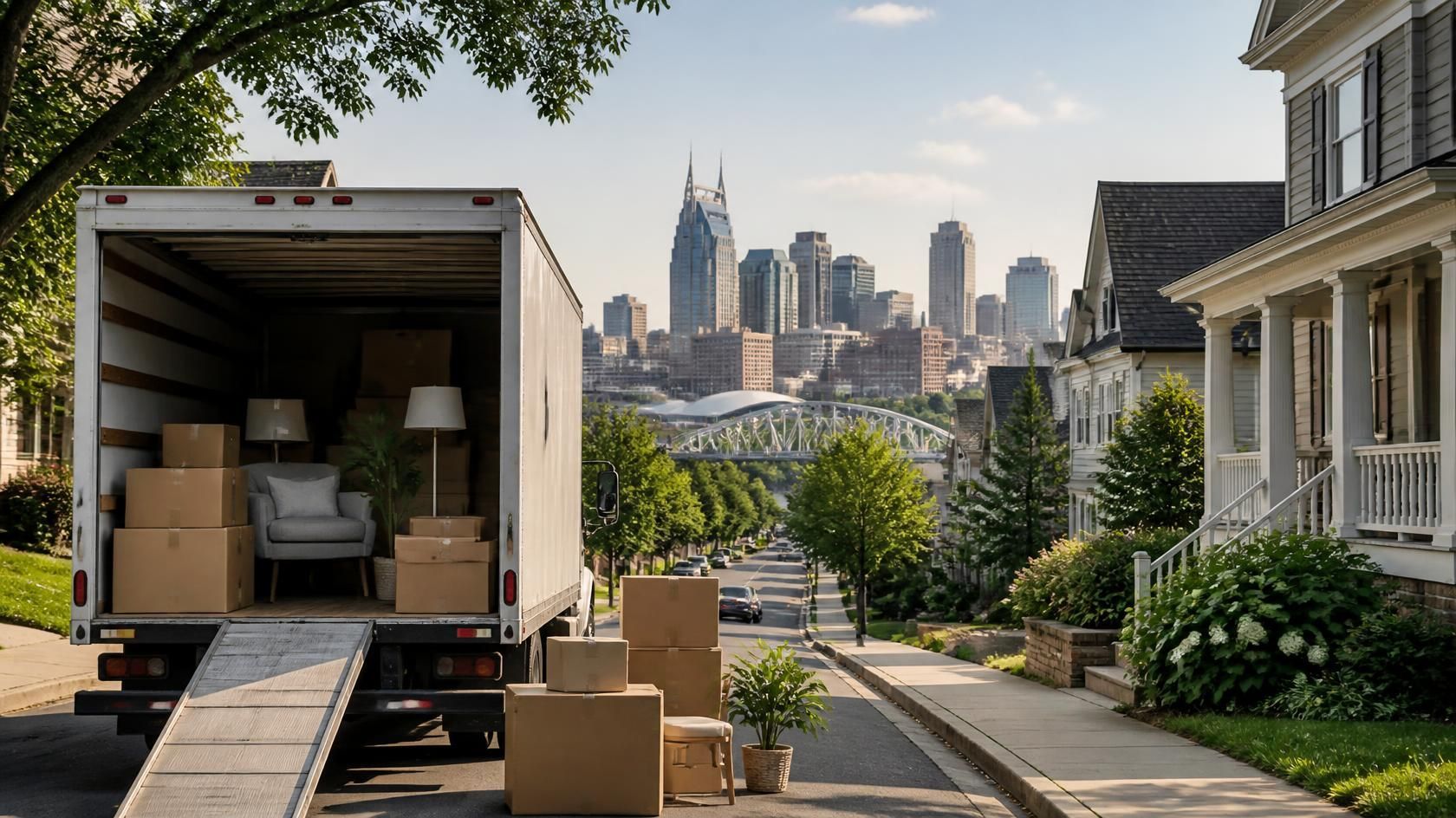
Nashville, Tennessee—often called Music City —has become one of the fastest-growing cities in the United States. With a strong job market, vibrant culture, and expanding neighborhoods, thousands of people move to Nashville every year. Whether you're relocating for work, school, or a fresh start, planning your move and storage needs ahead of time can make the entire process much easier. In this guide, we’ll cover everything you need to know about moving to Nashville, storage options, and tips for making your move stress-free. Why So Many People Are Moving to Nashville Nashville continues to grow due to its strong economy, entertainment industry, healthcare jobs, and overall quality of life. The metro area has seen major population growth in recent years, with tens of thousands of new residents moving to the area from other states and countries. People move to Nashville for many reasons, including: Job opportunities Universities and colleges Music and entertainment industry Healthcare and tech industries Mild climate Growing suburbs and neighborhoods Great restaurants and entertainment Nashville offers a unique combination of big-city opportunity and small-town charm, which is one of the main reasons people continue relocating to the area. Cost of Living and Housing in Nashville Before moving to Nashville, it’s important to understand housing and living costs. Rent prices and home values have increased over the past several years due to the city’s growth and demand for housing. Typical housing costs include: One-bedroom apartment: approximately $1,500–$1,800 per month Suburban apartments: approximately $1,100–$1,400 per month Two-bedroom apartments: $1,800–$2,300+ Median home value: around $440,000 Average apartment size: about 872 square feet Because apartments and homes are often smaller and more expensive than in surrounding areas, many Nashville residents use self storage to store extra belongings, seasonal items, or business inventory. Why Self Storage Is Important When Moving to Nashville Moving is one of the most common reasons people rent storage units. In a fast-growing city like Nashville, storage is especially helpful because people often move between apartments, homes, or neighborhoods. Self storage is commonly used for: Moving between homes Downsizing Apartment living Home remodeling Business storage Seasonal items College students Military relocation The Nashville storage market continues to grow due to population increases, apartment living, and ongoing relocation into the area. Average Storage Unit Costs in Nashville Storage prices in Nashville vary depending on unit size, location, and features like climate control. Average storage costs in Nashville: 5x5 storage unit: Small closet size 5x10 storage unit: Small apartment storage 10x10 storage unit: Average cost around $116 per month 10x20 storage unit: Equivalent to a one-car garage Smaller units are commonly used for apartment storage, while larger units are popular for people moving or storing furniture during a relocation. Tips for Moving to Nashville If you are planning a move to Nashville, here are some tips to make the process easier. 1. Start Planning Early Nashville is a competitive housing market, so it’s best to start planning your move early. Begin looking for housing and storage units at least 1–2 months before your move. 2. Declutter Before You Move Moving is the perfect time to declutter your home. Donate, sell, or store items you don’t immediately need. 3. Use Storage During Your Move Many people use storage units temporarily during a move if: Their move-in date is delayed They are downsizing They are staging a home for sale They are waiting on construction or renovations 4. Label Everything Clearly label boxes with room names and contents to make unpacking easier. 5. Pack Seasonal Items Separately Store seasonal decorations, winter clothing, and sports equipment in storage to save space in your new home. Storage for Apartment Living in Nashville Apartment living is very common in Nashville, and apartments are often smaller than homes. Many residents use storage units to store extra furniture, decorations, and seasonal items. Storage is especially helpful for apartment residents who need space for: Extra furniture Holiday decorations Outdoor equipment Business inventory Moving boxes Seasonal clothing Small storage units like 5x5, 5x10, and 5x15 are popular among apartment renters in Nashville. When to Rent a Storage Unit During a Move You may want to rent a storage unit if: Your closing dates don’t line up You are downsizing You are moving for a temporary job You are remodeling your home You are moving from another state You need time to organize your new home You are staging your home to sell Storage units can be rented short-term or long-term depending on your needs.  Final Thoughts on Moving and Storage in Nashville Moving to Nashville is an exciting opportunity, whether you're relocating for work, school, or a new adventure. With Nashville’s continued growth, housing changes, and apartment living, self storage has become an important part of the moving process for many residents. Using a storage unit during your move can help reduce stress, protect your belongings, and give you more flexibility during your transition. Whether you need storage for a few weeks or several months, having extra space can make your move to Nashville much easier. If you are planning a move to Nashville, consider renting a storage unit to simplify your move and keep your belongings safe during the transition.
February 27, 2026
Renting a storage unit is one of the easiest ways to create more space at home or work, but how you pack and organize your unit makes all the difference. The wrong approach can lead to broken items, wasted space, and extra trips back and forth. Whether you're storing for a move, a life transition, or long-term business needs, avoiding a few common mistakes will help you get the most out of your unit. Here are the top self storage mistakes and how to avoid them.  If you're in a hurry Waiting until the last minute to rent Choosing the wrong unit size Not labeling boxes Using poor-quality packing supplies Packing the unit without a plan Storing items you may need often in the back Forgetting to measure large items Not protecting furniture properly Overloading boxes Not leaving a walkway WAITING UNTIL THE LAST MINUTE TO RENT One of the most common storage mistakes is waiting until moving day to look for a unit. This often leads to limited size options and unnecessary stress. Renting your unit in advance gives you time to: Choose the right size Move in at your own pace Organize your layout properly CHOOSING THE WRONG UNIT SIZE A unit that’s too small means stacking boxes too high and risking damage. A unit that’s too large means paying for space you don’t use. Take a few minutes to make a quick list of what you plan to store. This helps you select a unit that fits your needs and keeps everything accessible. NOT LABELING BOXES You may think you’ll remember where everything is, but after a few weeks, most boxes look the same. Label boxes clearly on multiple sides and group similar items together. You can even number your boxes and keep a simple list on your phone so you know exactly where everything is. USING POOR-QUALITY PACKING SUPPLIES Old, worn-out boxes and low-grade tape can break down quickly, especially when stacked. Instead, use: Sturdy moving boxes Strong packing tape Protective wrap for fragile items This small upgrade makes a big difference in keeping your belongings safe. PACKING THE UNIT WITHOUT A PLAN Loading a storage unit like a game of Tetris might feel efficient at the time, but it makes finding things later nearly impossible. Place heavier, durable items on the bottom and lighter, fragile items on top. Keep frequently used items near the front so you can grab them without unloading the entire unit. STORING EVERYTHING IN THE BACK If you’ll need seasonal décor, business files, or extra inventory throughout the year, don’t bury them behind furniture and stacked boxes. Think of your unit like a small room. Create zones so you always know where things are. FORGETTING TO MEASURE LARGE ITEMS Sectionals, refrigerators, and business shelving can take up more space than expected. Measuring these items before choosing a unit prevents surprises on move-in day. Disassembling large furniture when possible will also save space and make moving easier. NOT PROTECTING FURNITURE PROPERLY Furniture should never be stored without a protective layer. Use covers or moving blankets to prevent scratches and dust buildup. For tables and dressers, remove legs or drawers when possible and wrap them separately. OVERLOADING BOXES Boxes that are too heavy are more likely to collapse and can cause injury when lifting. Pack heavier items like books in smaller boxes and lighter items like linens and clothing in larger ones. NOT LEAVING A WALKWAY A small center aisle can save you a lot of time and frustration later. It allows you to access your belongings without unloading the entire unit. This is especially helpful for long-term storage or business use. MAKE STORAGE SIMPLE AND STRESS-FREE Self storage is meant to make your life easier. With a little planning and the right setup, your unit can stay organized, accessible, and efficient from day one. BLTD makes it easy to store with confidence, with convenient storage locations in: Nashville, Tennessee Palm Bay, Florida Deltona, Florida So whether you're clearing space at home, managing a move, or storing for your business, you can avoid the common pitfalls and enjoy a smooth storage experience.