Moving and Storage in Nashville, TN: Your Complete Guide to Relocating to Music City
Nashville, Tennessee—often called Music City —has become one of the fastest-growing cities in the United States. With a strong job market, vibrant culture, and expanding neighborhoods, thousands of people move to Nashville every year. Whether you're relocating for work, school, or a fresh start, planning your move and storage needs ahead of time can make the entire process much easier.
In this guide, we’ll cover everything you need to know about moving to Nashville, storage options in Nashville , and tips for making your move stress-free.
Why So Many People Are Moving to Nashville
Nashville continues to grow due to its strong economy, entertainment industry, healthcare jobs, and overall quality of life. The metro area has seen major population growth in recent years, with tens of thousands of new residents moving to the area from other states and countries.
People move to Nashville for many reasons, including:
- Job opportunities
- Universities and colleges
- Music and entertainment industry
- Healthcare and tech industries
- Mild climate
- Growing suburbs and neighborhoods
- Great restaurants and entertainment
Nashville offers a unique combination of big-city opportunity and small-town charm, which is one of the main reasons people continue relocating to the area.
Cost of Living and Housing in Nashville
Before moving to Nashville, it’s important to understand housing and living costs. Rent prices and home values have increased over the past several years due to the city’s growth and demand for housing.
Typical housing costs include:
- One-bedroom apartment: approximately $1,500–$1,800 per month
- Suburban apartments: approximately $1,100–$1,400 per month
- Two-bedroom apartments: $1,800–$2,300+
- Median home value: around $440,000
- Average apartment size: about 872 square feet
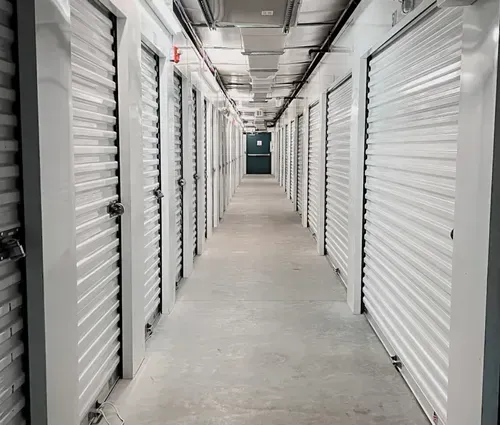
Because apartments and homes are often smaller and more expensive than in surrounding areas, many Nashville residents use self storage to store extra belongings, seasonal items, or business inventory.
Why Self Storage Is Important When Moving to Nashville
Moving is one of the most common reasons people rent storage units. In a fast-growing city like Nashville, storage is especially helpful because people often move between apartments, homes, or neighborhoods.
Self storage is commonly used for:
- Moving between homes
- Downsizing
- Apartment living
- Home remodeling
- Business storage
- Seasonal items
- College students
- Military relocation
The Nashville storage market continues to grow due to population increases, apartment living, and ongoing relocation into the area.
Average Storage Unit Costs in Nashville
Storage prices in Nashville vary depending on unit size, location, and features like climate control.
Average storage costs in Nashville:
- 5x5 storage unit: Small closet size
- 5x10 storage unit: Small apartment storage
- 10x10 storage unit: Average cost around $116 per month
- 10x20 storage unit: Equivalent to a one-car garage
Smaller units are commonly used for apartment storage, while larger units are popular for people moving or storing furniture during a relocation.
Tips for Moving to Nashville
If you are planning a move to Nashville, here are some tips to make the process easier, and also, be sure to check our guide about 10 common self-storage mistakes to avoid them!
1. Start Planning Early
Nashville is a competitive housing market, so it’s best to start planning your move early. Begin looking for housing and storage units at least 1–2 months before your move.
2. Declutter Before You Move
Moving is the perfect time to declutter your home. Donate, sell, or store items you don’t immediately need.
3. Use Storage During Your Move
Many people use storage units temporarily during a move if:
- Their move-in date is delayed
- They are downsizing
- They are staging a home for sale
- They are waiting on construction or renovations
4. Label Everything
Clearly label boxes with room names and contents to make unpacking easier, and if you're also storing important documents in a storage unit , read our guide on the matter for additional tips.
5. Pack Seasonal Items Separately
Store seasonal decorations, winter clothing, and sports equipment in storage to save space in your new home.
Storage for Apartment Living in Nashville
Apartment living is very common in Nashville, and apartments are often smaller than homes. Many residents use storage units to store extra furniture, decorations, and seasonal items.
Storage is especially helpful for apartment residents who need space for:
- Extra furniture
- Holiday decorations
- Outdoor equipment
- Business inventory
- Moving boxes
- Seasonal clothing
Small storage units like 5x5, 5x10, and 5x15 are popular among apartment renters in Nashville.
When to Rent a Storage Unit During a Move
You may want to rent a storage unit if:
- Your closing dates don’t line up
- You are downsizing
- You are moving for a temporary job
- You are remodeling your home
- You are moving from another state
- You need time to organize your new home
- You are staging your home to sell
Storage units can be rented short-term or long-term, depending on your needs.
Final Thoughts on Moving and Storage in Nashville
Moving to Nashville is an exciting opportunity, whether you're relocating for work, school, or a new adventure. With Nashville’s continued growth, housing changes, and apartment living, self-storage has become an important part of the moving process for many residents.
Using a storage unit during your move can help reduce stress, protect your belongings, and give you more flexibility during your transition. Whether you need storage for a few weeks or several months, having extra space can make your move to Nashville much easier.
If you are planning a move here, consider renting a storage unit in Nashville to simplify your move and keep your belongings safe during the transition.